NWA Weather: What All 4 Seasons Are Like
Author
Phillip Shepard
Date Published
Arkansas is a Southern state with hotter summers and warmer winters compared to its Northern counterparts. Moving here is a viable option for anybody tired of Northern winter madness. Before somebody makes this decision, it’s perfectly reasonable for them to ask, “What is Northwest Arkansas weather like?”
In terms of weather, Northwest Arkansas offers far more bearable winters and hotter summers for those who like it warmer. This region of Arkansas features winters where the lowest temperatures reach merely the 30s instead of the horrendous below-zero lows of Northern states.
In this article, I’ll offer reasons why you should consider either visiting or moving to Northwest Arkansas. I’ll discuss the region’s weather, and why it makes a great escape from harsher, more extreme temperatures found elsewhere in the country.
Video:
Discussing Northwest Arkansas’s Weather
Something to keep in mind, especially if you’ve considered moving to Northwest Arkansas, is that it can get quite hot in the summer months.
In August, as listed by BestPlaces, temperatures can reach up to 91 degrees on average. Naturally, the heat is capable of reaching even higher.
That being said, Arkansas is still a viable place to live in, especially if you hate winter weather. Arkansas typically sees no more than a mere 4 inches per year in terms of snow. If you’re a person who dreads the winter months for their ice and snow, Northwest Arkansas will be your safe haven.
In general, Northwest Arkansas tends to be a brighter place to live in compared to other states. Take Ohio, for example. Compared to Arkansas, which sees roughly 217 sunny days per year, Ohio sees only 173.
If you’ve spent most of your life in Ohio or a similar state that tends to lean on cloudier days throughout the year, then Arkansas will be a breath of fresh air. This is especially true for the Northwest region of the state, which offers a nice balance of warmer weather without stifling heat levels.
Our fur babies make our lives better: Here are Best Dog Parks in Northwest Arkansas for your fur babies
Comparing Arkansas Weather to Other States’
Ohio makes a great example of contrasting weather with Arkansas. This state pummels residents with harsh snow and cold temperatures, which Arkansas residents are lucky to avoid dealing with.
In Northwest Arkansas, a great place to live in for decent weather is Bentonville. If you prefer a little bit more snow in the wintertime, Bentonville tends to receive a few inches more than the Arkansas average. This way, you can still enjoy a taste of winter without dealing with a snow deluge like in other states.
While Bentonville and the surrounding Northwest region don’t deal with a ton of snow, the tradeoff is the rain amount. Compared to Ohio’s yearly 48 inches, Bentonville has been known to see 40 inches of rain in a year, not that far behind Ohio.
This is par for the course with an overall warmer climate. While dealing with this much rain can be distasteful, it’s likely to be far more preferable than having to suffer through a Northern state’s snowstorm.
Something else to keep in mind is that Arkansas offers more moderate heat for a Southern state than other states down South. The best example of this difference is Arizona, which deals with average highs of 99 degrees in July. Arizona also tends to see far less rain or snow than any other state in the country, making it unfortunately dry at times.
Thankfully, Arkansas weather tends to avoid these dry heat spells and also allows all 4 seasons to flourish.
Also, I have a 3-day itinerary that can help you decide what activities to do if you’re overwhelmed by everything Northwest Arkansas has to offer.
It doesn’t matter if you’re a foodie, a sports person, a sightseer, or want to spend quality time with your kids; I have something for you. Check out the link below to learn more: https://www.allthingsnwa.com/3-day-itinerary-northwest-arkansas
Plan A Perfect Weekend in Bentonville, Northwest Arkansas! Here’s how!
Seasons in Northwest Arkansas
One might have a misconception about Arkansas weather that because it’s a Southern state, it’s perpetually hot year-round. That, or you can’t see all 4 seasons in the state.
Thankfully, this isn’t true. In fact, a surprising thing about Northwest Arkansas is that the autumn season lasts longer than in other states. Per Arkansas’s site, autumn is the most popular season for people to visit the state.
The trees take their time transforming into fall colors, and part of the magic is that they don’t change all at once. Some trees will keep turning colors late into December, giving Northwest Arkansas an extended autumn season.
Spring is another popular time of the year to give Arkansas a visit. When the spring months come around, Arkansas offers a refreshing reprieve from the dreariness of winter. If you live in a frigid Northern state, consider planning a visit to Arkansas in the spring to see this beauty for yourself.
Gardening in Northwest Arkansas
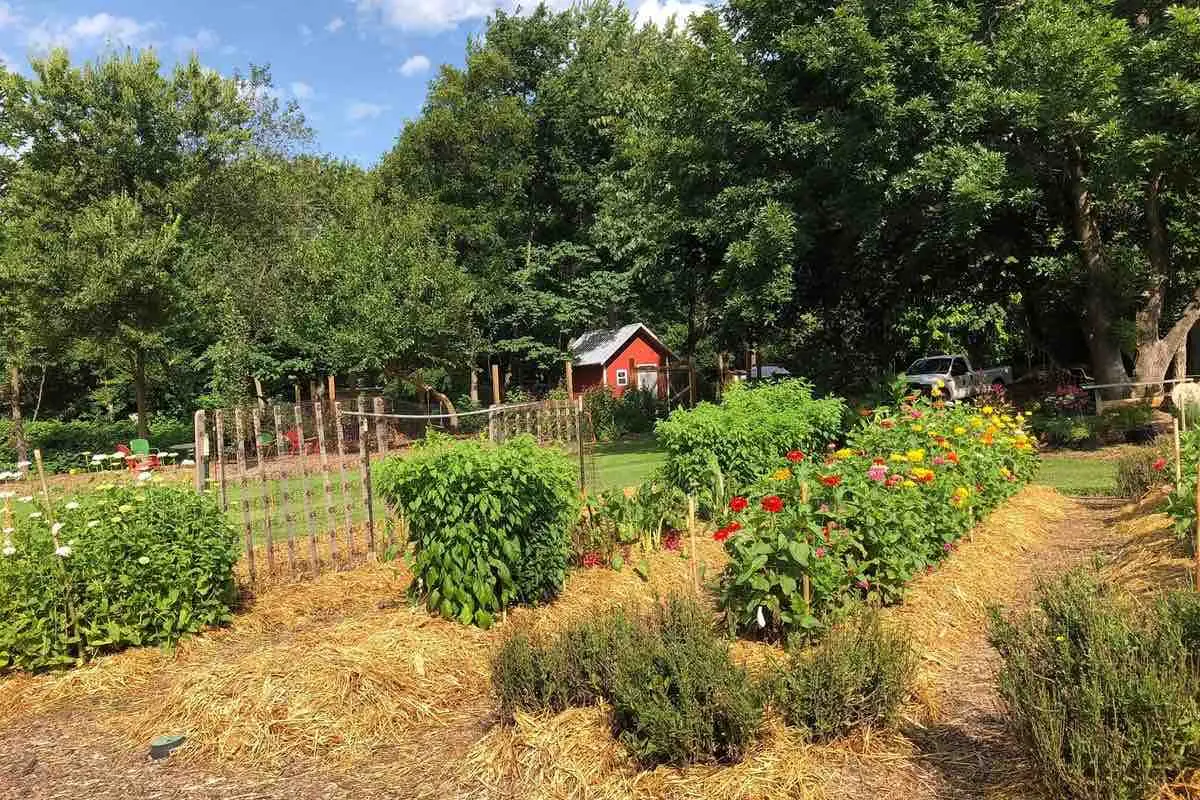
One of the most significant benefits of living in Northwest Arkansas is the ability to have a thriving garden, thanks to the proper temperatures.
In fact, Northwest Arkansas is home to some gorgeous gardens that make great destinations for tourists. As featured by Only in Your State, one of these gardens is The Botanical Gardens of the Ozarks. On top of showcasing beautiful foliage, this garden is also the home to a tranquil living space for butterflies.
Another wonderful garden to check out in Northwest Arkansas is the Blue Spring Heritage Center Gardens, located near Eureka Springs. This place is beyond scenic and features a whopping 33 acres of natural beauty to enjoy.
Besides these famous gardens, if you ever desire a road trip to other parts of Arkansas, you’ll find even more parks and such to peruse.
Feel free to reach out to All Things NWA (Northwest Arkansas) to learn more about the area, homes, and fun activities you can participate in.
Check my other article if you’re interested in some of the best startups and new companies in Northwest Arkansas. I’m pretty sure you’ll be amazed by the list.
Conclusion
Northwest Arkansas is a fantastic getaway option for anybody tired of dealing with the harsh winters typical of Northern states.
If you’re seeking a new place to live with warmer temperatures and a simultaneous balance of the 4 seasons, Northwest Arkansas could be your new home.
The area’s weather is among the best in the country, which allows you to make the most of all seasons.
Don’t hesitate to reach out to All Things NWA (Northwest Arkansas) for more information about a tour or setting up your new home in this idyllic region.
Sources


Bentonville’s Next Chapter: Ramen, Rec Center & Ice House
Discover what is reshaping Bentonville: sold-out ramen pop-ups, a downtown adult rec center, and a $7.5M ice house redevelopment.
NWA Is Booming: New Eats, Trails & Buzz
Discover why NWA is booming: a new Italian spot in Rogers, national trail coverage, and growing global recognition. Updated for 2026.

Bentonville Buzz: Wright's BBQ, Crystal Bridges & More
Explore four developments reshaping Bentonville: Wright's BBQ expansion, Crystal Bridges updates, Walmart HQ news, and downtown growth.